
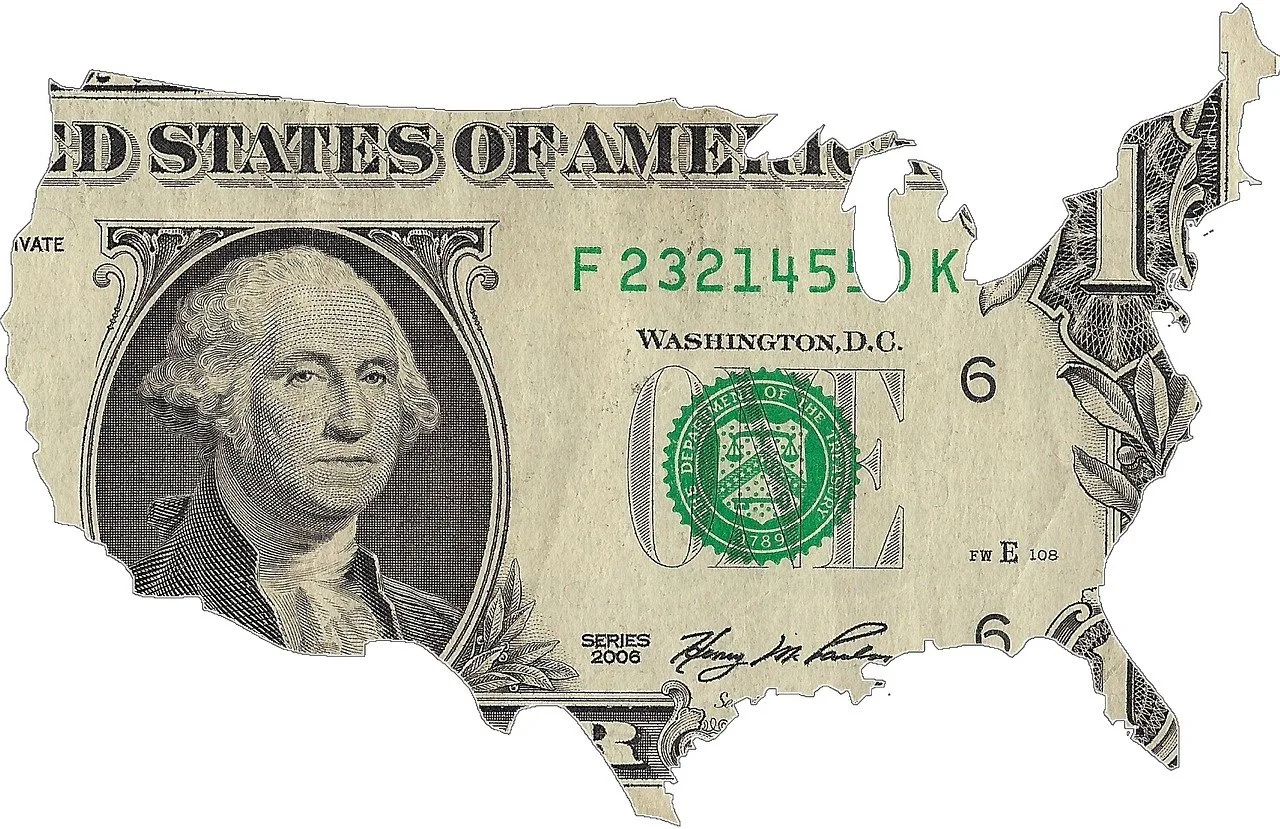
America did not begin with a constitution. It did not begin with a congress. It did not begin with a capital city. It began with a man. A man whose character shaped a nation before laws could restrain it, before institutions could guide it, and before unity could anchor it. George Washington did not simply lead America. He defined America. He created the moral blueprint for the presidency and, in many ways, for the nation itself.
Washington’s greatness did not lie in dazzling speeches, philosophical brilliance, or rhetorical fireworks. It lay in something far rarer: self-mastery. Courage. Humility. Honesty. Restraint. Vision. Responsibility. And an unwavering commitment to something larger than himself. His character was the architecture on which the American experiment was built.
These qualities made America America. And the absence of these qualities in some modern leaders is precisely why America struggles today.
Washington’s courage was not theatrical — it was steady, disciplined, and unbreakable.
Courage is not noise. It is not bravado. It is not shouting in public halls or pounding on podiums. Courage is calm. Courage is sacrifice. Courage is the willingness to endure fear without being ruled by it.
Washington lived this courage.
At the Battle of Princeton in 1777, when American troops wavered and began to retreat under British fire, Washington rode forward on horseback — alone — between both armies. He was so close to enemy muskets that his soldiers turned their faces away, expecting to see him fall. Instead, as the smoke cleared, Washington remained in the saddle, unmoved. His calmness steadied the entire army. The tide turned. The battle was won.
Washington’s courage was contagious. It transformed a collection of frightened farmers into a fighting force capable of defeating the world’s greatest empire. America did not survive its birth because of numbers or resources. It survived because its commander had courage that refused to break.
Today, America needs leaders who stand firm in storms — not leaders who create the storms.
Washington’s honesty shaped the nation’s moral foundation.
Washington’s reputation for honesty was so strong that legend expanded it into myth — most famously the story of the cherry tree: “I cannot tell a lie.” While the story is fictional, the truth behind it is real. Washington prized honesty as the cornerstone of leadership.
In 1755, serving as a young officer under British General Edward Braddock, Washington wrote one of the earliest examples of his moral clarity. After the disastrous defeat at the Monongahela, he did not hide from the truth. He did not manipulate the facts. He did not blame others to protect himself. Instead, he reported the failure honestly, accepted responsibility, and earned the trust of both superiors and subordinates.
Washington believed that truthfulness was not merely a virtue — it was a strategic asset. A leader who lies corrodes the nation. A leader who tells the truth strengthens it.
In an age when misinformation spreads with the speed of lightning, Washington’s example is not quaint. It is urgent.
Washington possessed self-control — a rare virtue in powerful people.
Many leaders rise through passion. Few rise through restraint. Washington’s greatness lay in his ability to command himself before commanding others.
This was most evident when he resigned as commander-in-chief at the end of the Revolutionary War. He had the loyalty of the army. He had unmatched popularity. He could have seized power. Many expected him to.
Instead, he stunned the world by surrendering authority and returning to private life.
King George III, no admirer of Washington, declared: “If he does that, he will be the greatest man in the world.”
Washington did it.
His self-control prevented America from becoming a military dictatorship. His restraint strengthened democratic norms before they even existed. This single act set the precedent that American leaders serve the nation — not themselves.
Imagine what Washington would think of modern leaders who cling to power, stoke division, and treat public office as a throne rather than a trust.
Washington’s sense of responsibility made him the model for all presidents.
And that is what makes America America.
By Medard Laz
This selection is from my newly published book, WHAT MAKES AMERICA AMERICA.
My book has 62 Chapters and 282 Pages.
Here is the link https://a.co/d/00Lyqe1C that will connect you with my Amazon order page.
Click READ SAMPLE and you can read my Introduction and the First Two Chapters of the book for FREE.
For Your Information: The above passage was written when Joe Biden was President.
What qualities do YOU see that are needed in our President today?
USE YOUR VOICE FOR KINDNESS, YOUR EARS FOR COMPASSION, YOUR HANDS FOR CHARITY, YOUR MIND FOR TRUTH AND YOUR HEART FOR LOVE!
Please do not hesitate to share my words with many others. Please listen to my Podcast.
We celebrated Abe Lincoln’s Birthday on February 12th when 3,678 people listened to my Podcast. George Washington deserves the same!
